
The Art of
Architectural
Photo Editing
This article is an excerpt from a piece I wrote for ArchitectureNOW on the art of photo editing: the technical, psychological and artistic decisions that turn a raw capture into a finished image.
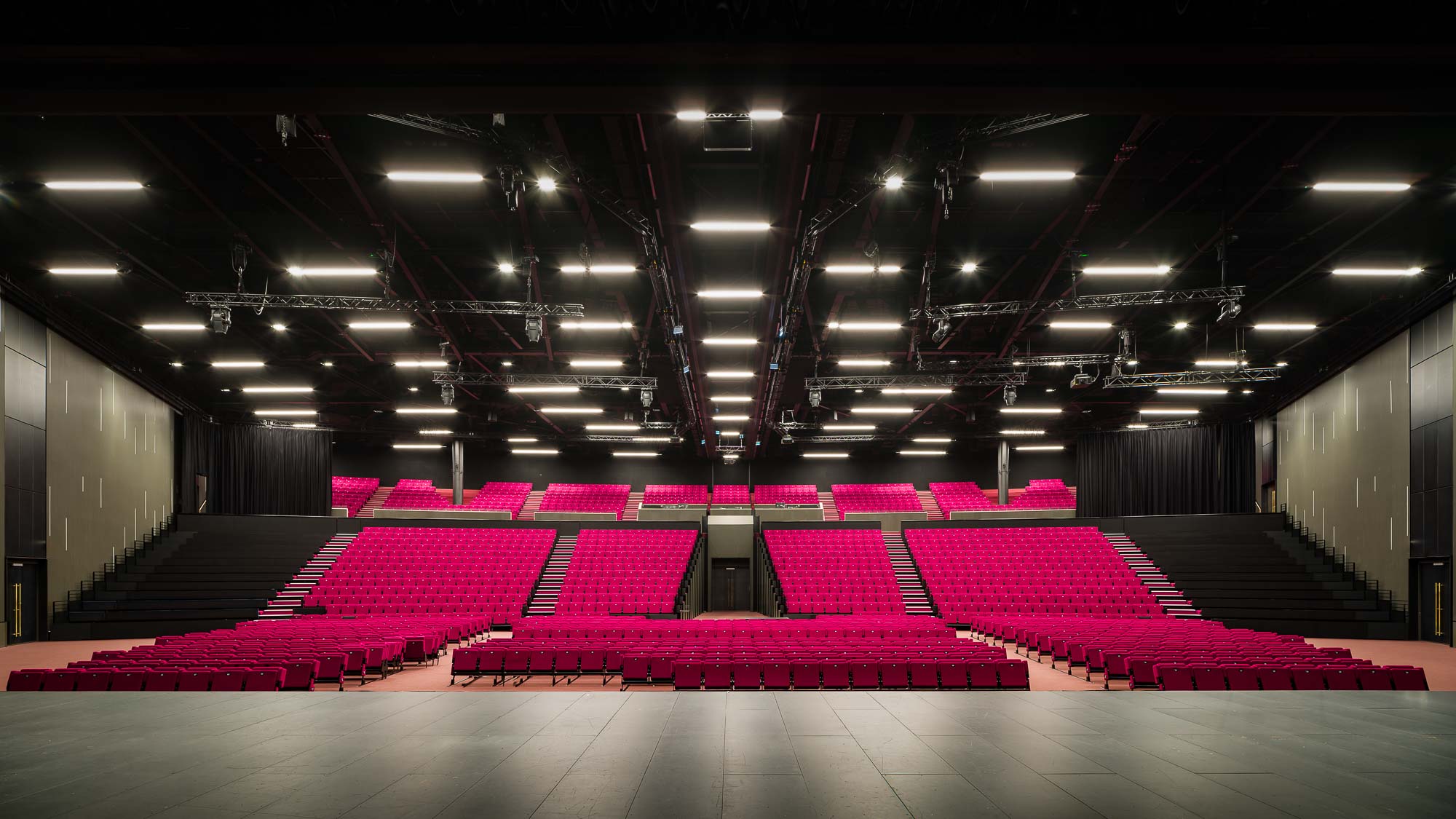
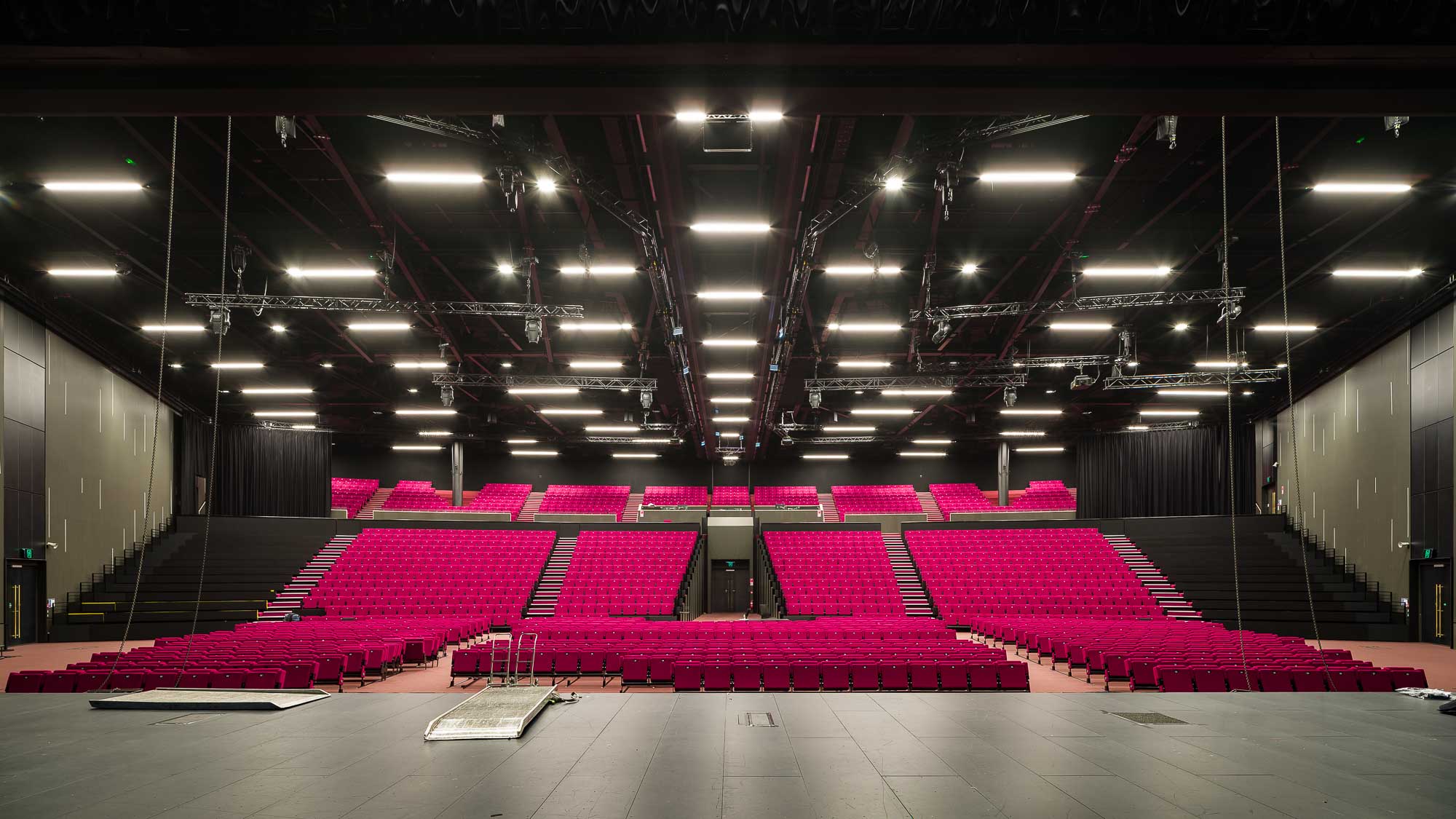
REALITY IS MESSY
In large spaces, photography often happens before the venue opens. The window of access can be small, with ongoing construction interfering.
Architectural photography is more than capturing buildings. It is about recreating how our brains perceive and experience space. Through careful application of technical skill, psychological insight and artistic judgment, photo editing transforms raw images into visuals that reflect both reality and human perception.
Have you ever noticed how a quick phone snapshot of a stunning building rarely captures the feeling it left in your mind? That’s because the human brain is an extraordinary image processor. Despite decades of advancements in camera technology, no sensor can match the way our brains interpret what we see.
As an architectural photographer, I experience this firsthand. Even with professional equipment, the images I bring back to the studio are only the starting point for the less glamorous work that follows. Editing work at the office may lack the appeal of location photography but it is every bit as vital.
Pillars of
Photo Editing
The process can be roughly divided into three categories. We can think of the part where technical limitations are overcome as housekeeping. Step two, the psychological aspect of photo editing, substitutes the filtering work done by the brain with a rigorous retouching session. Finally, photo editors — usually the creator of the images — add an artistic touch by creating a look that suits the images.
Think of the ‘housekeeping’ side of photo editing as assembling a composite from several puzzle pieces. If you have worked with a photographer on location, you may have noticed how many images are taken from a single spot. Some are overexposed to preserve detail in the shadows, others are underexposed to do the opposite. Some are shot with filters to bring out the texture of specific building materials. Others capture people moving naturally through the space. Back at the office, all these source images are then merged into a final composite that reveals the full tonal range of the scene.
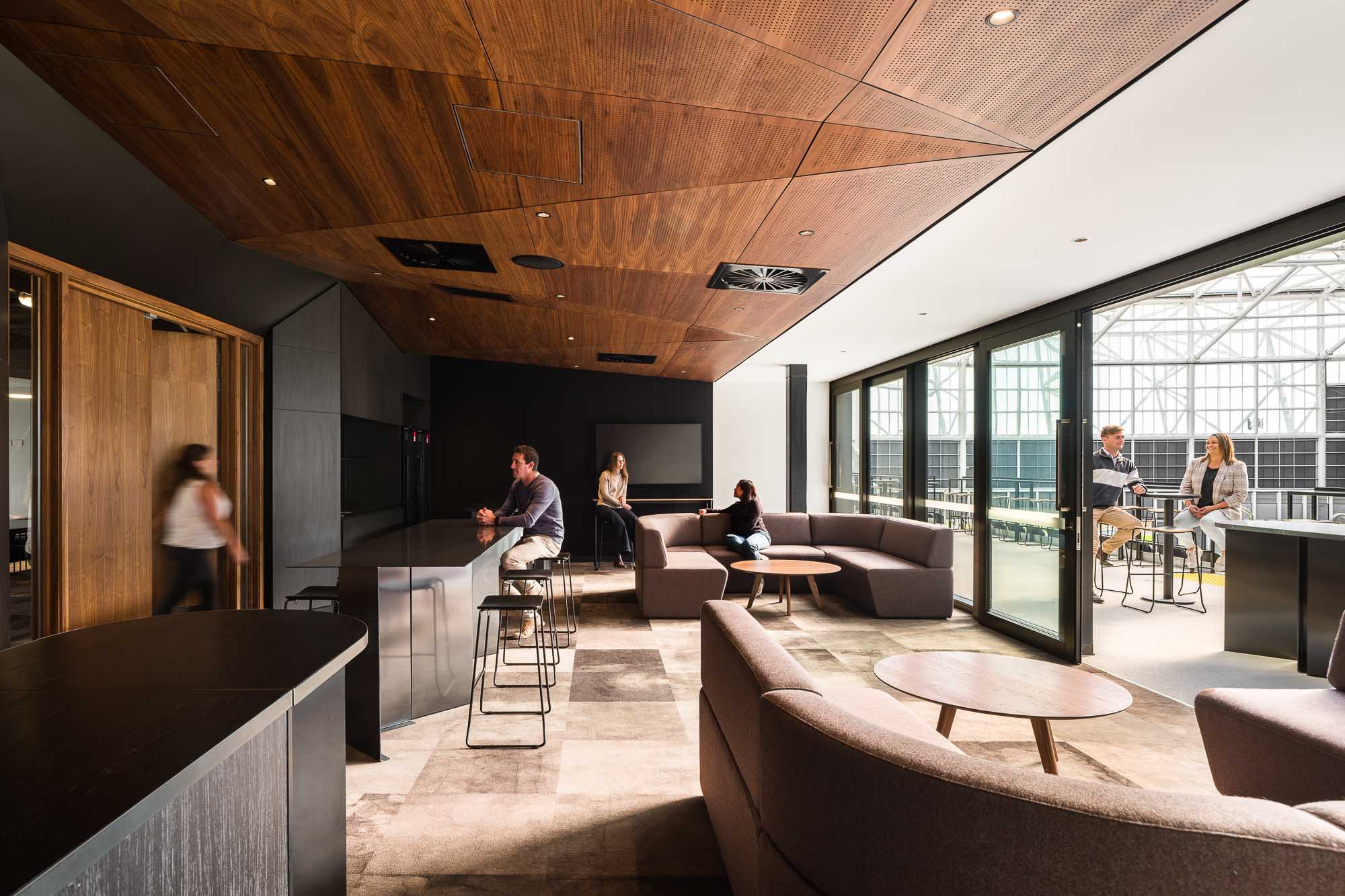
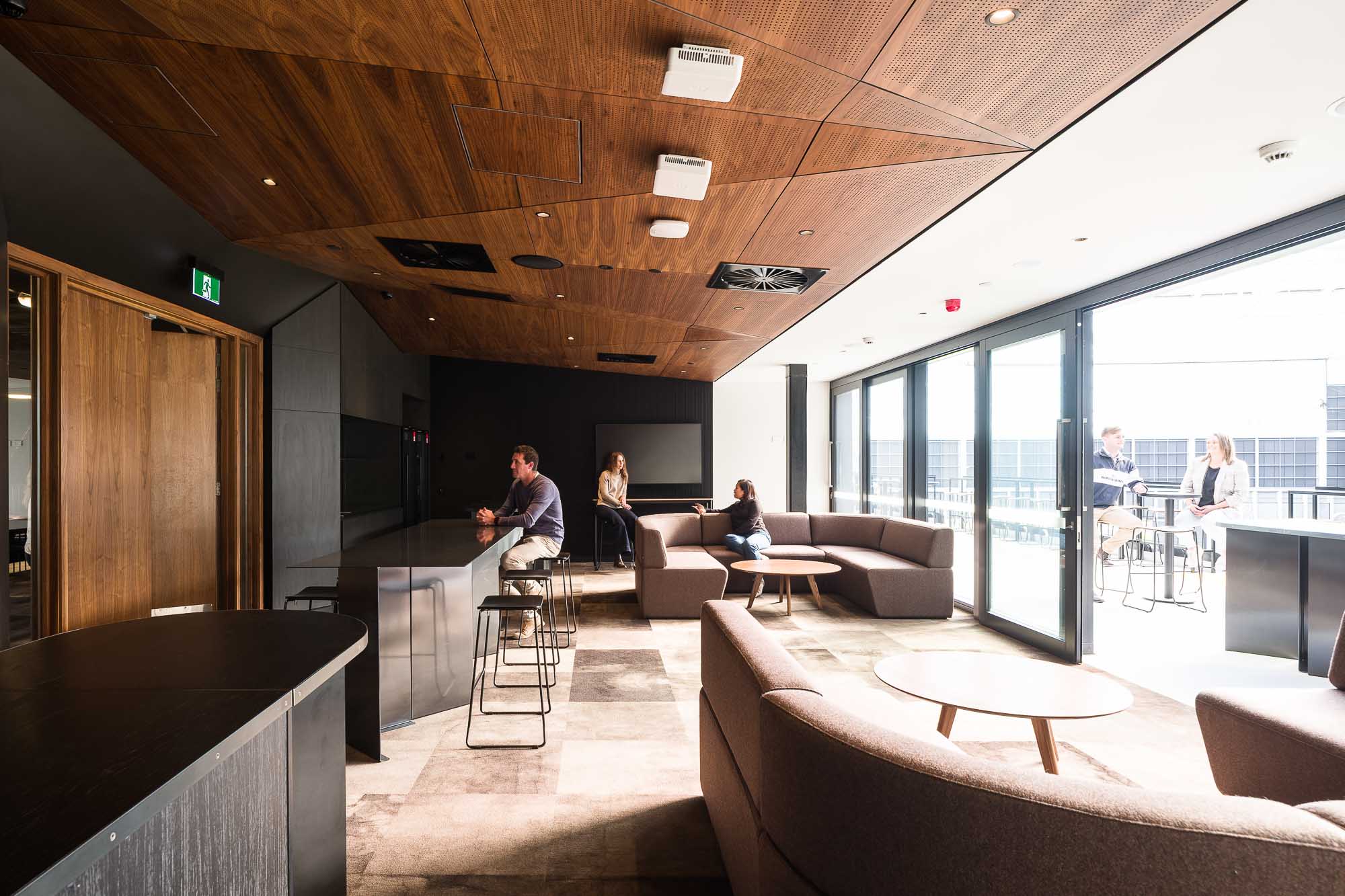
HIGH CONTRAST
Daylight-bright exteriors and moody interiors overwhelm even the most advanced camera sensor. To address this issue, dark and bright exposures are blended into each other.
the Brain
Moving on to step two, the process becomes more subjective. Our brains routinely filter out distractions on site — but cameras do not return that favour. Have you ever walked into a civic space and felt like the clusters of sensors mounted on the ceiling ruined your viewing experience? Unless you designed the space yourself, you probably didn’t notice the jungle of gizmos up above. Your brain dismissed them as irrelevant and filtered them out. Unfortunately, our brains do not offer the same courtesy when we are looking at photographs. What felt like a clean, elegant ceiling in person can suddenly look like a mess in an image.
It is the editor’s job to right this wrong and make a judgement call on what elements in the frame are unwanted. While architects are keen on a pristine ceiling, a client running a building automation business might have other priorities. The same level of deliberation is then applied to other annoyances like brown spots on a lawn, utility cabinets, bird poop (so much bird poop), power sockets and loud writing on clothing. By the end of stage two, we have removed a significant amount of subjective ‘noise’ from the images.
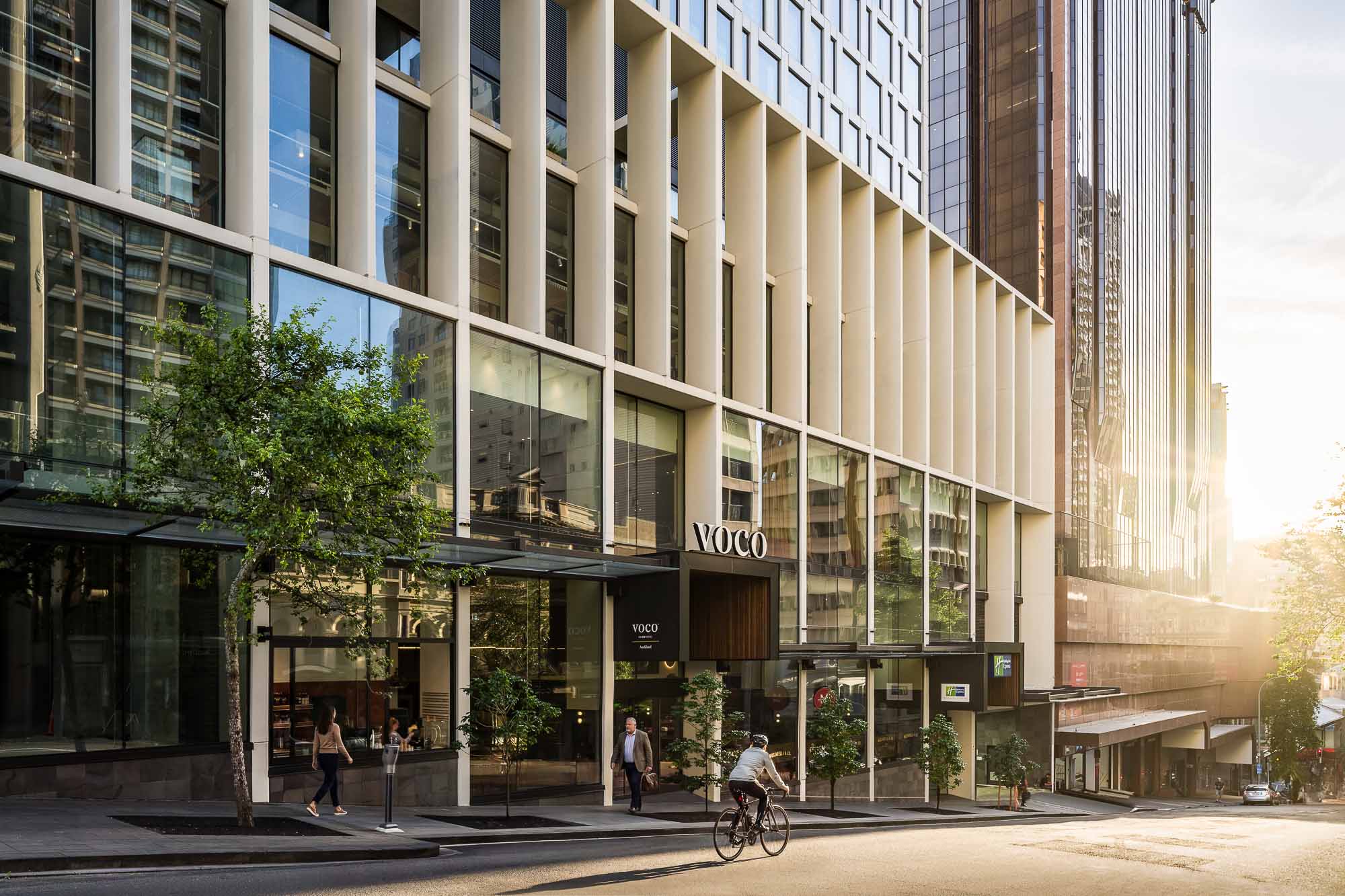
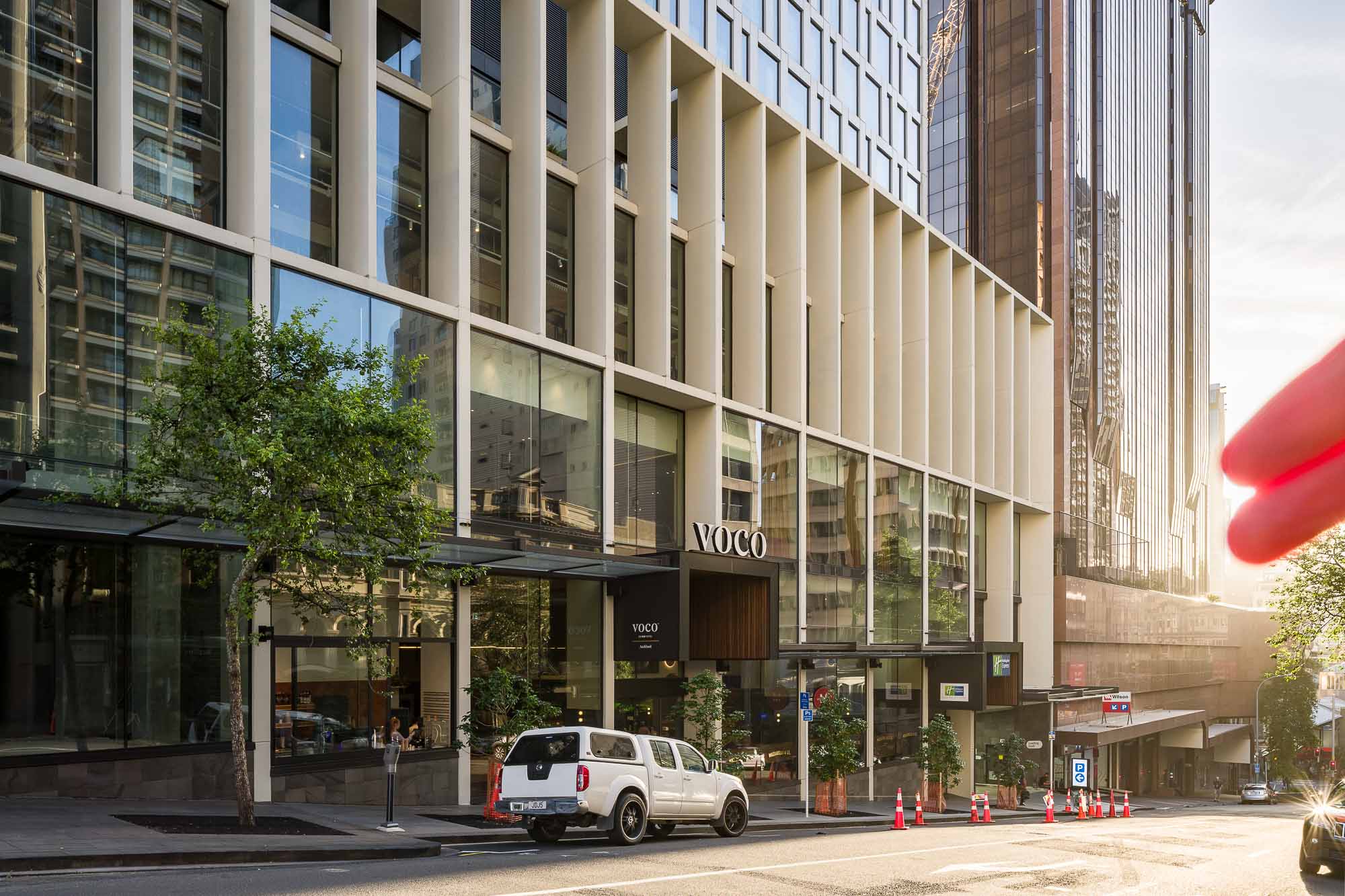
BUSY STREETS
Being at the mercy of the weather requires spontaneity. Where planning ahead — in this case traffic management — is not possible, advanced retouching techniques save the day.
in Editing
This brings us to the ethical question of modifying reality. Photography has always walked a fine line between the responsibility to document truthfully and the freedom of creative expression. In photojournalism, removing elements from an image is considered a serious breach. Commercial architectural photography, by contrast, offers more room for interpretation. Ultimately, it is the client who decides how much creative licence is appropriate to represent their work.
For most projects, I follow the standards of accepted industry practice. Cleaning up a cluttered ceiling to achieve the clarity often seen in architectural renders is generally desired. Altering the architectural substance of a building is not. Imagine a group of competition judges arriving on site and frowning at an architectural detail that does not match what they saw in the photographs.
Editing tools powered by artificial intelligence have added new layers to this ongoing debate. Until recently, fabricating entire scenes from scratch — while technically possible — was rarely commercially practical. Replacing a poorly placed truck with a painted, rendered or composited street scene could take hours. Now, with AI, that same problem can be resolved in seconds, placing even more ethical responsibility on the photographer’s shoulders. Just because something can be done does not mean it should be. To avoid retouching anxiety, I collaborate with my clients on substantive changes.
Just because something can be done does not mean it should be.
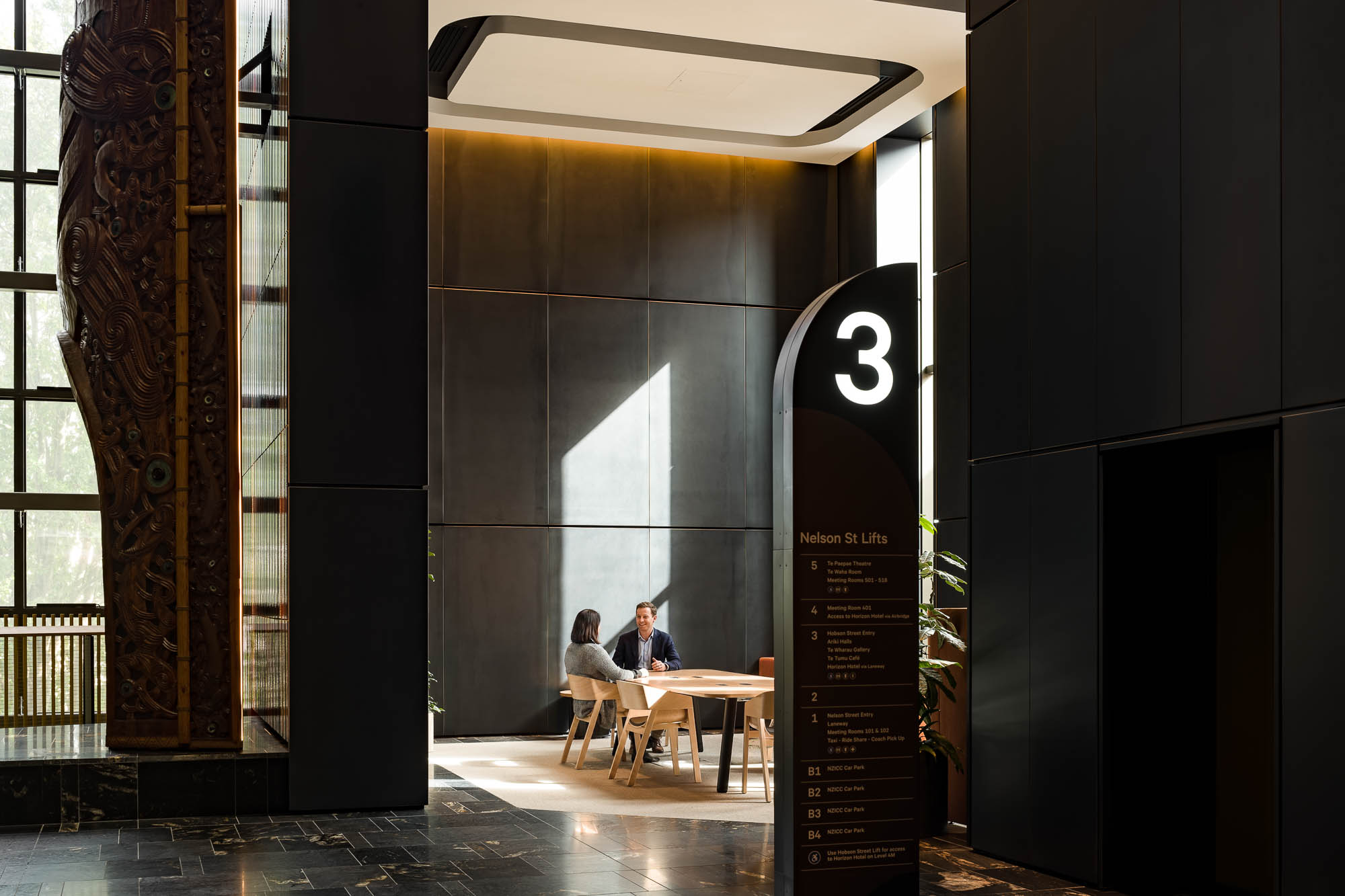
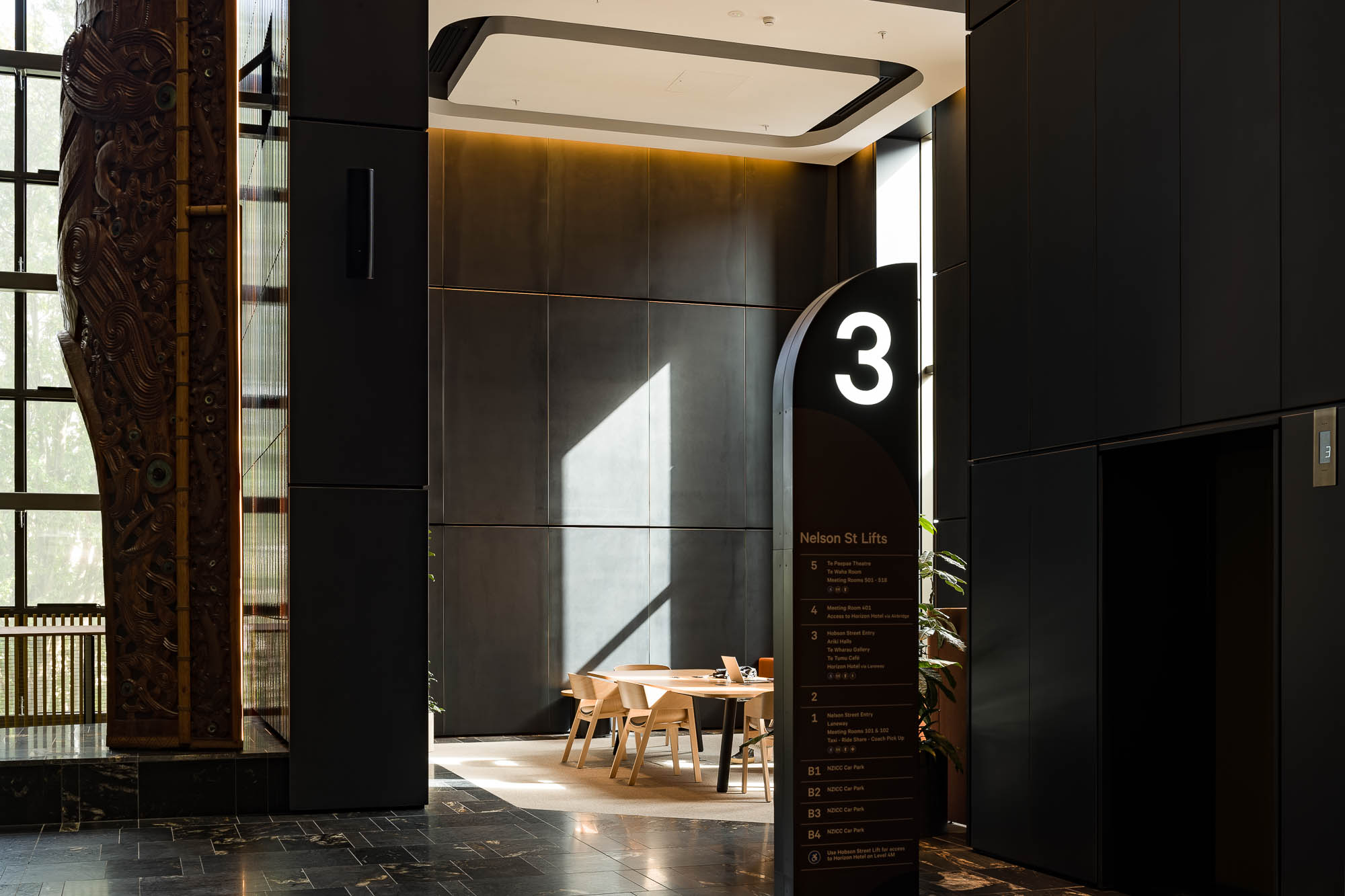
VIRTUAL MODELS
When budget, time or access constraints prevent the usage of real models, virtual replacements fill the gap.
Touch
Once all hard decisions are made, it is time to apply final brush strokes. A photographer’s signature treatment might be defined by a certain degree of contrast, very slight tweaks to the colour palette or a certain something that is hard to define. The last part of the editing process is strictly artistic in nature and gives editors the opportunity to merge client requirements with personal taste, while at the same time reinforcing a sense of consistency across the entire set of images.
In the end, architectural photography is much more than simply capturing a building. It is a careful balance of technical skill, thoughtful judgement, and artistic expression, both behind the camera and at the computer. Every image you see reflects countless decisions made to balance visual truth with aesthetic clarity. While the camera captures everything indiscriminately, our minds do not. Photo editing bridges this gap, subtly removing distractions to mirror how we experience space.
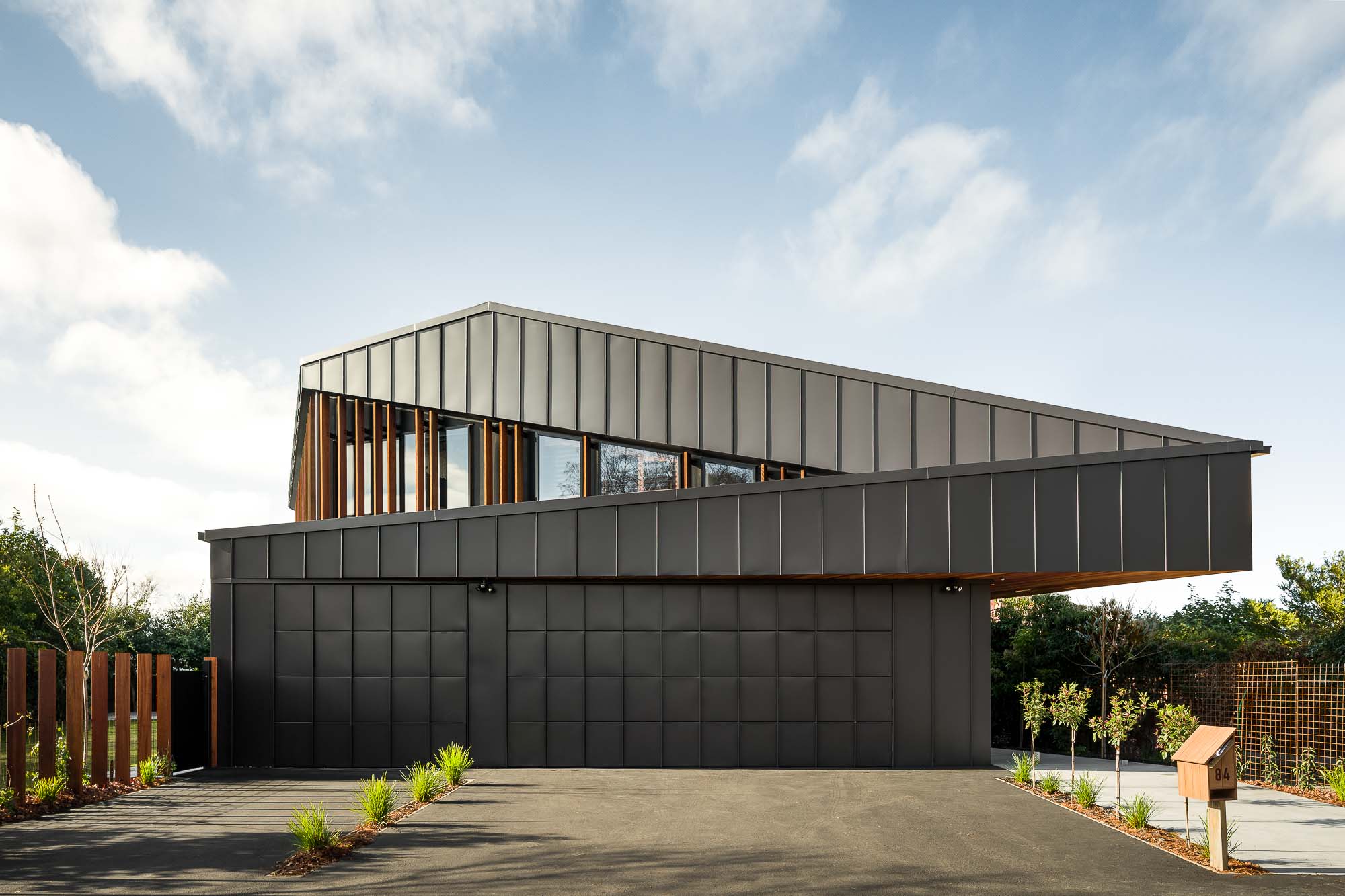
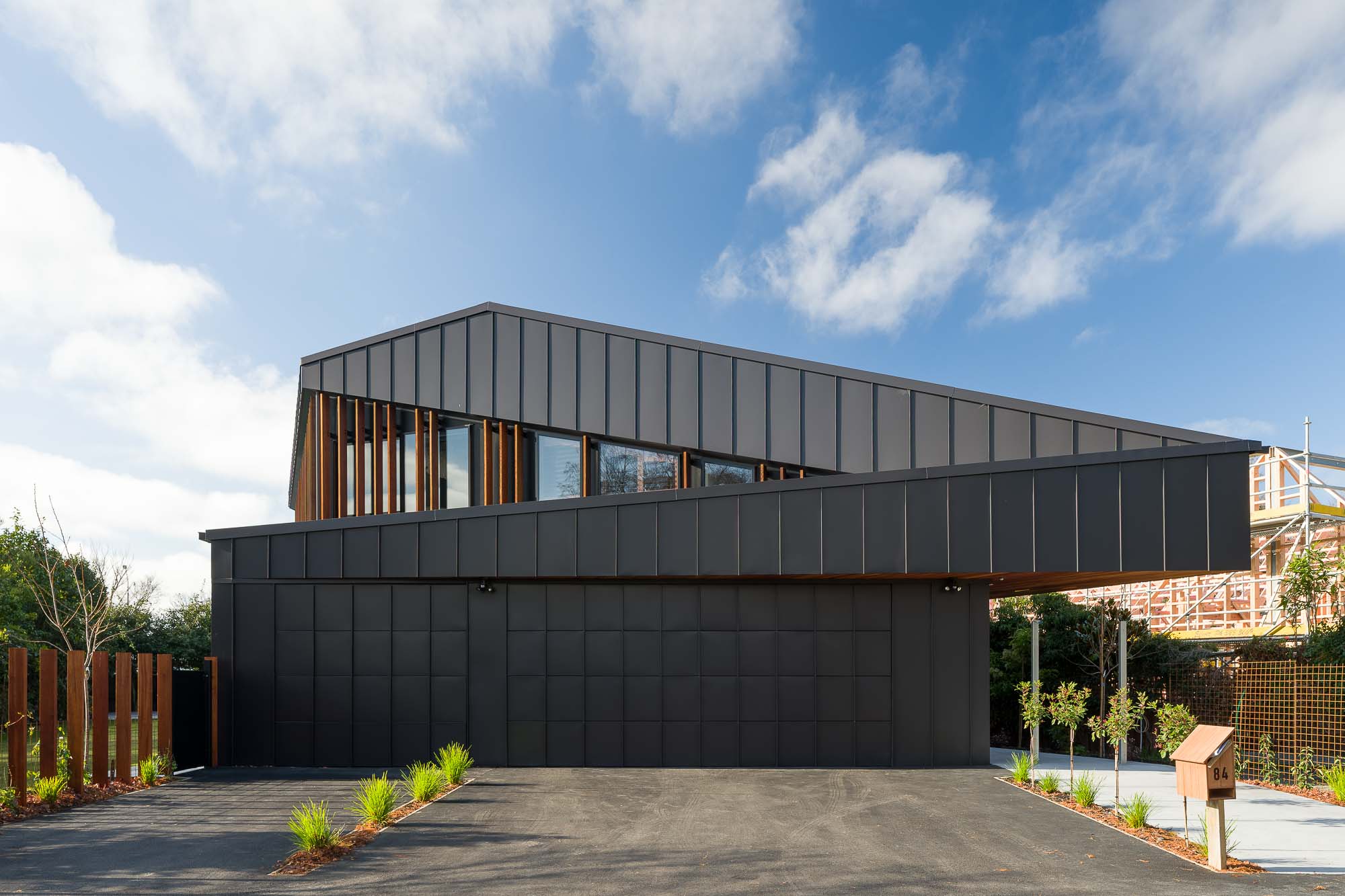
MORE THAN THE SUM OF ITS PARTS
Many small adjustments add up to a hero image.
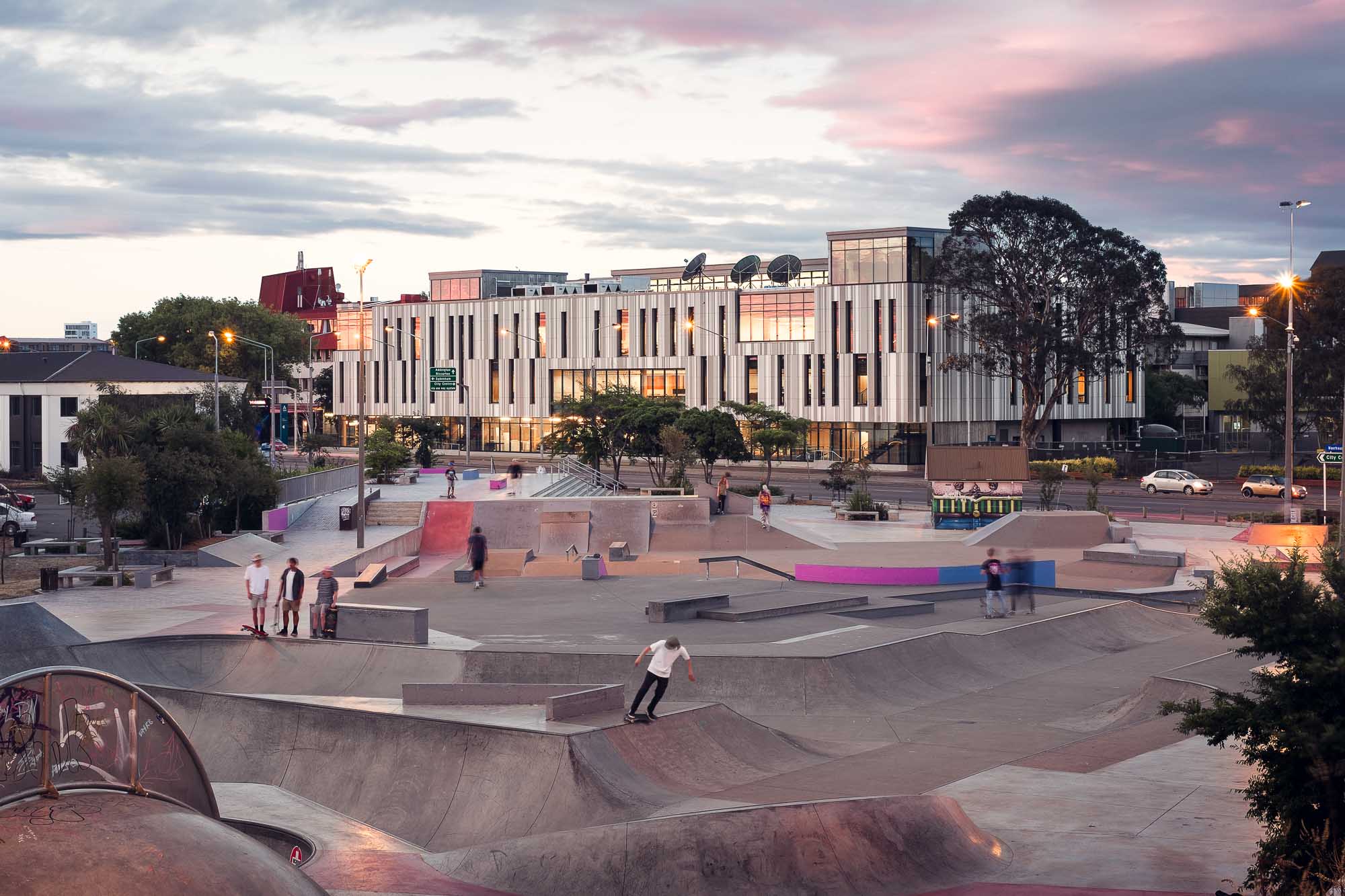
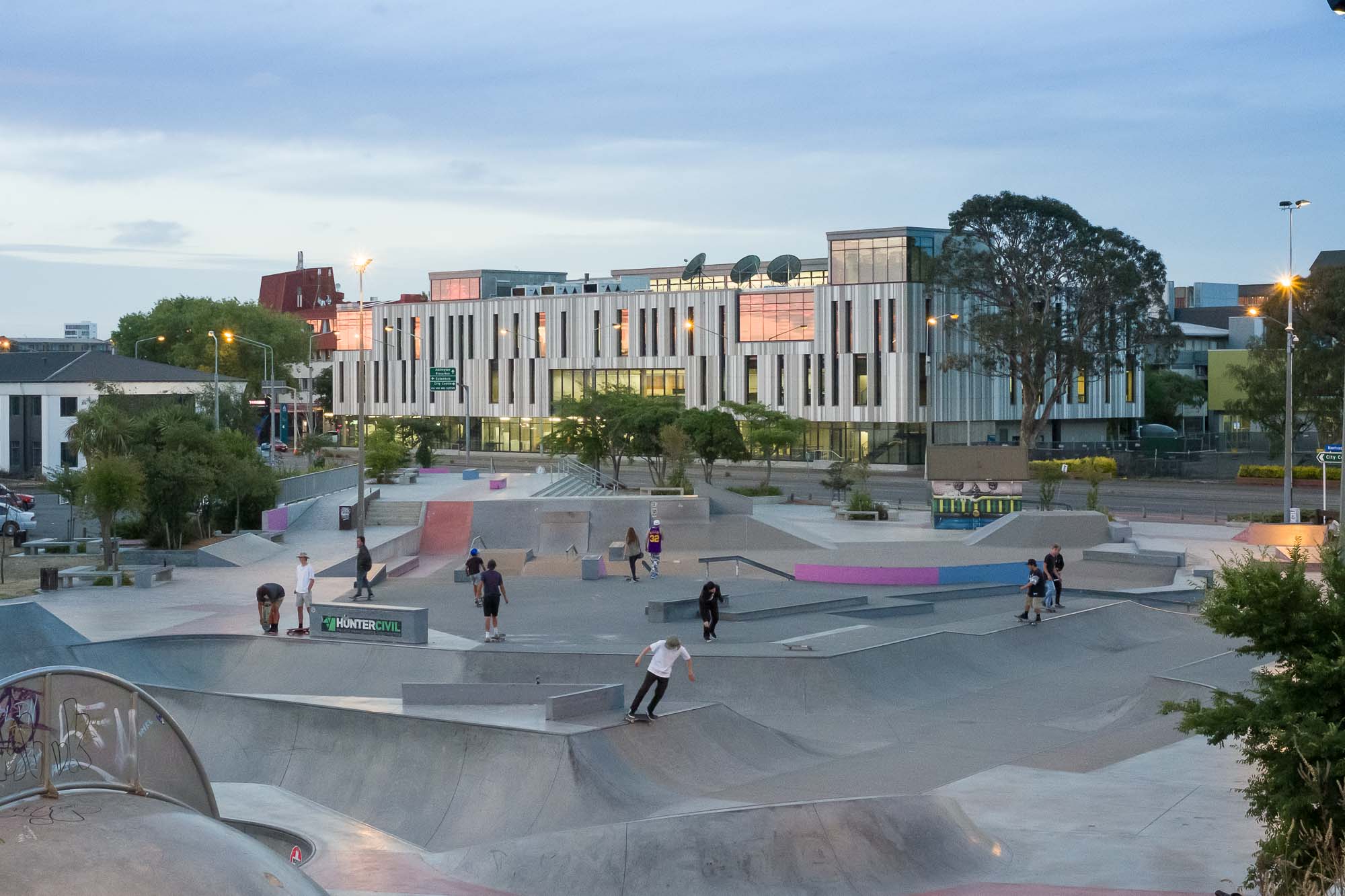
MOOD ADJUSTMENT
A new sky combined with a tonal adjustment can overcome bad luck with the weather.